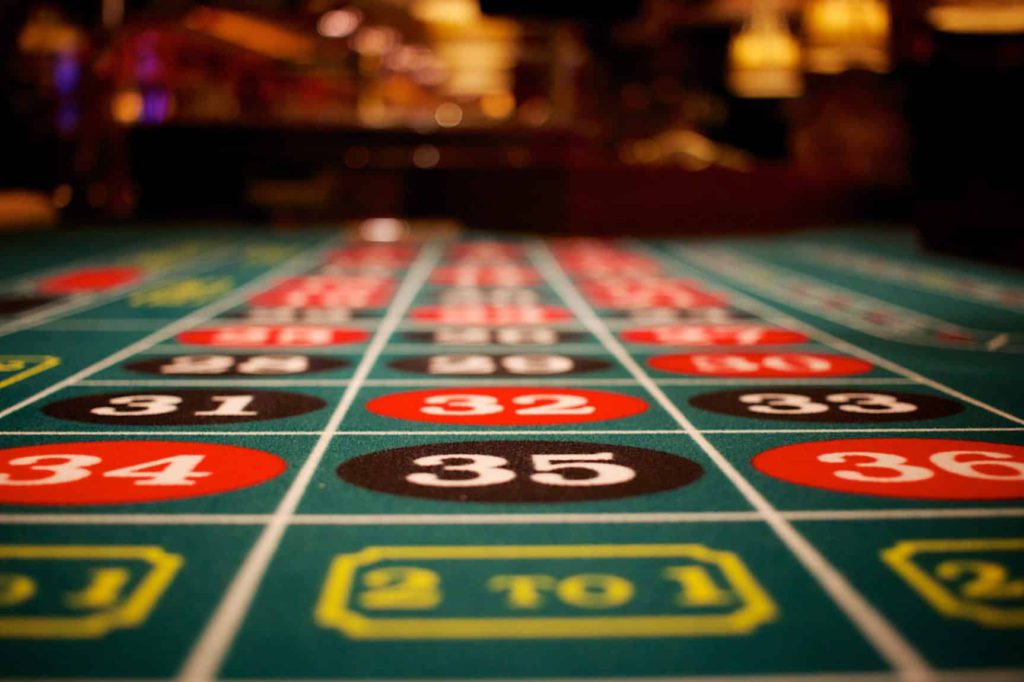
Gambling has always held a unique place in human behavior, blending entertainment, thrill, and the allure of reward. Across history and cultures, people have been drawn to games of chance, from dice rolling in ancient civilizations to modern online casinos that never sleep. But what makes gambling so irresistible? Why do individuals willingly place their money, time, and emotions on the line despite knowing the odds are often stacked against them? The answer lies in the fascinating psychology of risk-taking.
The Thrill of Uncertainty
At the heart of gambling is uncertainty. Human brains are wired to respond strongly to unpredictability because it activates our reward pathways more than guaranteed outcomes. Winning at a slot machine after several losses creates a heightened sense of excitement, far beyond the joy of a guaranteed prize. The uncertainty itself becomes addictive, as each spin or card dealt holds the potential to change fortunes in an instant. This cycle of tension and reward keeps players engaged, even when rational thought says to walk away.
Dopamine and the Brain’s Reward System
One of the strongest forces behind gambling behavior is dopamine—a neurotransmitter associated with pleasure and reward. When a gambler wins, dopamine floods the brain, creating feelings of euphoria. Interestingly, studies show that even near-misses, where players almost win, can trigger similar chemical reactions. This explains why people continue to gamble even after repeated losses—their brains interpret near wins as encouragement to keep going.
Much like how someone might stare at a hidden face girl pic black and white and feel drawn to interpret the mystery behind it, gamblers often project meaning onto near wins, seeing them as signals of future success. Both experiences are about perception, interpretation, and the pull of anticipation.
Risk-Taking as a Natural Human Trait
Risk-taking is not unique to gambling—it is embedded in human nature. From explorers venturing into unknown lands to entrepreneurs launching businesses, humans have always sought risk as a way to achieve growth, discovery, and reward. Gambling becomes one of the most accessible outlets for this natural drive. It allows people to test luck and courage in a controlled environment where the stakes feel simultaneously high and manageable.
Just as businesses thrive by networking on a , gamblers thrive on connecting with opportunities. Both worlds are driven by uncertainty and the chance to secure something greater, whether it’s profit, reputation, or that elusive jackpot.
Emotional Escapes and Cultural Expressions
For many people, gambling is more than just the possibility of financial gain—it is also an emotional escape. The intensity of gambling provides a distraction from stress, sadness, or personal struggles. In this sense, the behavior parallels forms of cultural expression like poetry, music, and even sad shayari Hindi, where emotions are channeled into an outlet that both hurts and heals. Gambling similarly offers a paradoxical mix of pain and pleasure, allowing individuals to momentarily leave their realities behind in the thrill of uncertainty.
Social Dynamics and Belonging
Casinos, poker rooms, and even online gambling platforms create social spaces where players feel a sense of belonging. For some, the environment is just as rewarding as the game itself. The shared laughter, the cheers at the roulette table, and the communal excitement create bonds. Gambling is often less about the money and more about connection, which explains why people keep returning.
In parallel, communities form around shared goals elsewhere—like investors using a property directory Australia to connect with opportunities or food lovers exploring the best restaurant listing Australia to discover new experiences. In every case, humans seek both outcomes and connections, blending risk, reward, and social belonging.

The Illusion of Control
Another psychological driver of gambling is the illusion of control. Gamblers often believe they can influence outcomes through strategies, rituals, or even lucky charms. Rolling dice in a certain way, wearing a particular outfit, or following betting patterns creates a false sense of mastery over chance. While the odds remain unaffected, this illusion strengthens engagement, making the experience feel more skill-based than it really is.
This same illusion of control can be found in many aspects of life, from predicting business trends to believing a lucky number will guide decisions. It reflects the universal human desire to impose order on randomness.
When Risk Becomes a Problem
While gambling is a source of excitement and entertainment for many, it can become harmful when the pursuit of risk overshadows responsibility. The very psychological mechanisms that make gambling appealing—dopamine surges, the thrill of uncertainty, and the illusion of control—can also lead to addictive behavior. Recognizing the fine line between healthy entertainment and problem gambling is essential to maintaining balance.
Support systems, awareness campaigns, and responsible gambling practices are crucial. For some individuals, strategies like setting limits, taking breaks, and seeking counseling can help restore control. Understanding the psychology behind gambling allows both individuals and society to approach the subject with compassion and awareness rather than judgment alone.
Final Thoughts
The psychology of gambling reveals deep truths about human nature: our love for uncertainty, our drive for risk-taking, and our search for both reward and belonging. Gambling is not just about money; it is about emotion, perception, and human connection. Whether it reflects the mystery of a hidden face girl pic black and white, the communal bonds formed in a property directory Australia, or the joy of exploration on a free Australia business portal, gambling mirrors the broader ways humans engage with risk and reward in life.
At its best, gambling offers thrill, fun, and social connection. At its worst, it can consume individuals through compulsion. By understanding why we take risks, society can encourage responsible gambling and allow people to enjoy the excitement without losing balance. Much like exploring the best restaurant listing Australia or reading a heartfelt sad shayari Hindi, gambling is one of many ways humans seek meaning, connection, and moments of heightened experience in an uncertain world.