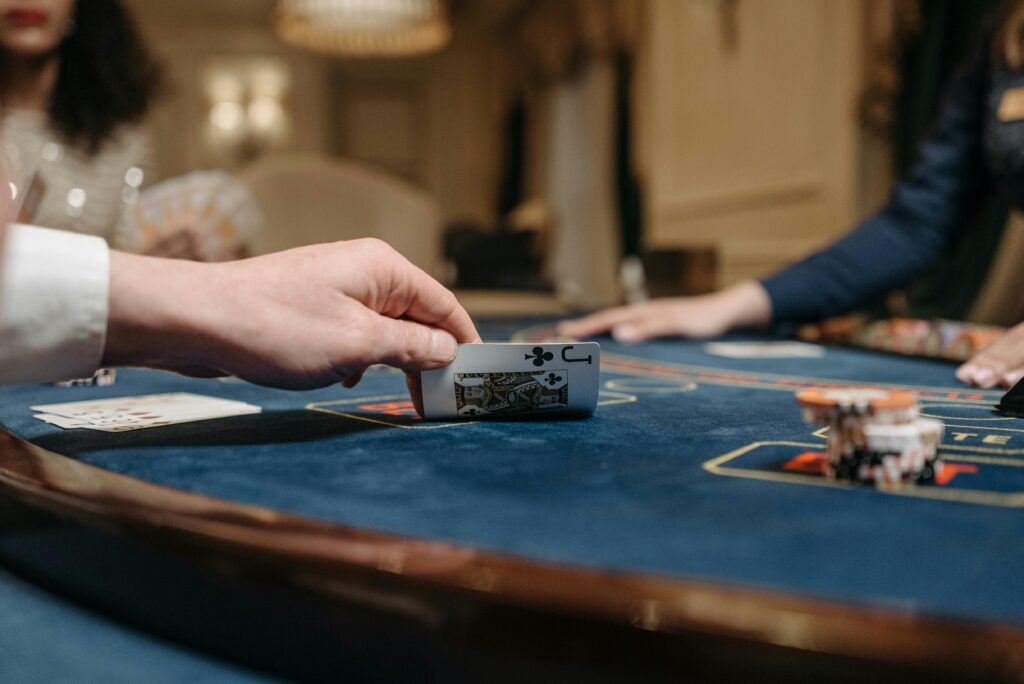
Poker has always been more than just a card game. Beyond the chips and the cards lies a complex psychological battlefield where reading people often outweighs the value of the hand itself. Bluffing, the art of convincing opponents you hold stronger or weaker cards than you actually do, remains one of the most fascinating elements of poker. Understanding the psychology behind bluffing can turn an average player into a formidable one, as it allows you to manipulate not only the game but also the mindset of your opponents.
The Mind Game Of Bluffing
At its core, bluffing is a calculated risk. You are attempting to create a false reality that pressures others into folding or making a mistake. The essence of bluffing is not about lying but about storytelling. Every move you make at the table tells a story, and your opponents are constantly trying to interpret it. If your story is consistent, they may believe you. If it’s filled with gaps or contradictions, you’ll be called out.
This is where psychology steps in. Humans naturally look for patterns, and poker players are no different. When you know how people interpret behavior, you can craft bluffs that align with their expectations. For instance, a player who always bets big with strong hands will be easier to read. A clever opponent can flip that pattern to their advantage, using a big bet as a bluff.
Confidence As A Weapon
Bluffing is only as strong as the confidence you project. A hesitant voice, shaking hands, or constant shifting in your seat can betray the truth of your cards. Successful bluffers maintain calmness and composure, showing the same body language whether they are holding a royal flush or a weak pair. The consistency forces opponents to second-guess themselves.
Interestingly, this links to how people present themselves in daily life. Just as poker players maintain an image at the table, social media users project confidence through their girls dp, profile updates, or curated content. The way one presents an image, whether in life or poker, shapes how others perceive and react to it.
Reading Opponents
Bluffing effectively requires an understanding of human behavior. Observing patterns, body language, and betting habits gives you clues about whether an opponent is bluffing or holding a strong hand. A player who suddenly changes their style may be revealing more than they realize.
This kind of reading is similar to the analytical approach used in fields far outside the casino world. For instance, just as a legal professional studies behavior and evidence to win cases in an Australian lawyer listing, poker players analyze small signs to gain the upper hand. Both rely on a deep awareness of human psychology and subtle cues.
Emotional Control
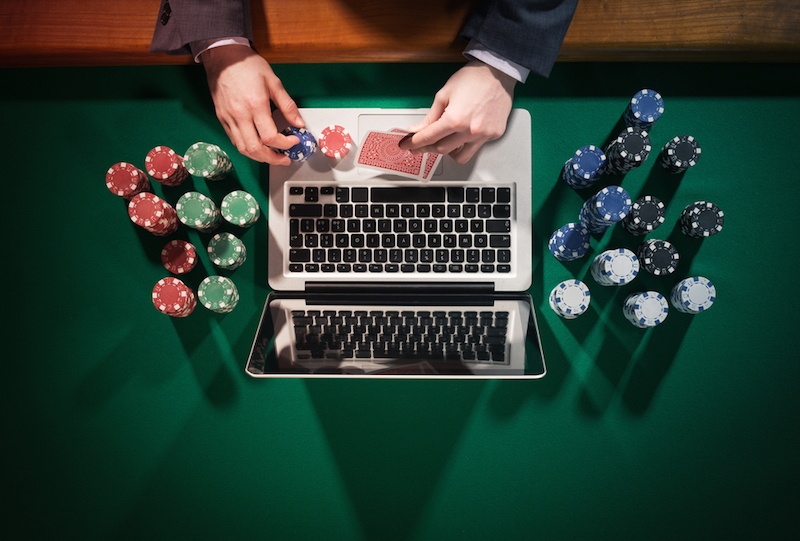
One of the toughest challenges in poker is managing your emotions. A failed bluff can be discouraging, while a successful one can make you overconfident. Both extremes are dangerous. The best players remain emotionally neutral, treating every hand as part of a larger strategy rather than as an isolated win or loss.
This is why poker is often compared to life itself. Emotional swings can cloud judgment, whether you’re at a poker table, managing a business, or even writing attitude shayari hindi to capture feelings. The ability to remain calm, composed, and strategic is what separates those who succeed consistently from those who stumble after short bursts of luck.
Building A Table Image
In poker, your table image, how others perceive your style—plays a critical role in bluffing. If you are known to play conservatively, your bluffs are more likely to succeed. Conversely, if you’ve been reckless, opponents will be quick to challenge your bets. Crafting this image requires patience, consistency, and a keen awareness of how your behavior is being read.
This concept mirrors how businesses build their presence in directories or marketplaces. A company featured in a top digital marketing agency directory must carefully curate its image to appear trustworthy and skilled. In poker, the player must do the same, creating an identity that influences how others respond to their actions.
When Not To Bluff
Sometimes, the best decision is to avoid bluffing altogether. Bluffing too often or at the wrong times can backfire spectacularly. A strong opponent who sees through your act will expose your weakness and capitalize on it. Recognizing when not to bluff is just as important as executing a successful bluff.
In everyday life, this principle holds true. Just as poker players learn to pick their battles, professionals on a home service professionals site or entrepreneurs in competitive industries must know when to push forward with bold moves and when to hold back. Strategy, patience, and timing make all the difference.
The Balance Between Skill And Luck
Poker is a blend of skill and luck. While bluffing enhances the skill side of the game, luck still plays its role. Even the best bluff can fail if the wrong card turns up. However, consistent use of psychological tactics, combined with patience and observation, tips the balance in your favor over time.
This balance is what makes poker endlessly fascinating. It’s not just about the hand you’re dealt but about how you play it. Players who master the psychology of bluffing gain an edge that simple card knowledge cannot provide.
Final Thoughts
The psychology of bluffing in poker teaches us lessons that go far beyond the felt table. It shows the power of confidence, timing, emotional control, and strategic storytelling. Whether you’re projecting strength with your body language, curating your social persona, or managing relationships in business and life, the principles remain the same. Bluffing is not just about deception, it’s about influence. And when done with skill and self-control, it can turn even the weakest hand into a winning one.
